
Anthracnose
Apiognomonia / Discula / Colletotrichum spp.
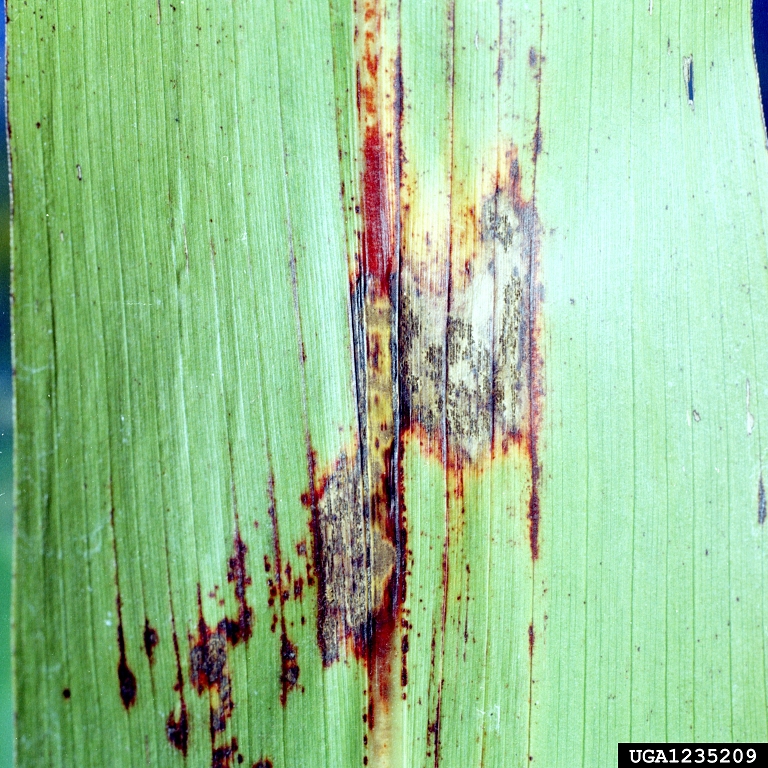
Range: Throughout the United States; worst in regions with cool, wet spring weatherSee it on the alert map
Symptoms & signs
- Irregular brown-to-tan blotches on leaves, typically following the veins
- curled, distorted new leaves
- browning and death of expanding shoots and buds ('shoot blight')
- premature leaf drop, especially on lower and inner canopy
- on sycamore, cankers and witches'-brooms after repeated infection
Treatment & management
- Largely cosmetic on established shade trees — rake and destroy infected leaves, prune to improve airflow, and water during drought to support refoliation
- Avoid overhead irrigation
- Protectant fungicides at bud break only for high-value or repeatedly defoliated trees (notably dogwood anthracnose)
- Plant resistant species/cultivars
Host species
White OakQuercus albaSugar MapleAcer saccharumAmerican ElmUlmus americanaAmerican SycamorePlatanus occidentalisFlowering DogwoodCornus floridaLondon PlanetreePlatanus × acerifoliaBlack Tupelo (Blackgum)Nyssa sylvaticaAmerican HornbeamCarpinus carolinianaBigleaf MapleAcer macrophyllumOhio BuckeyeAesculus glabraBoxelderAcer negundoJapanese MapleAcer palmatumFreeman MapleAcer × freemaniiMockernut HickoryCarya tomentosaPignut HickoryCarya glabraBitternut HickoryCarya cordiformisShellbark HickoryCarya laciniosaYellow BuckeyeAesculus flavaHorsechestnutAesculus hippocastanumCalifornia SycamorePlatanus racemosaVine MapleAcer circinatum
Common questions
Is anthracnose going to kill my shade tree?
On mature sycamores, maples, and oaks it is usually just disfiguring, and trees refoliate. Dogwood anthracnose is the serious exception and can kill flowering dogwoods in cool, damp sites.
Should I spray for anthracnose every spring?
For most large shade trees, no — sanitation and good airflow are enough. Reserve fungicide programs for high-value trees, especially dogwoods, and time applications to bud break before infection.
Related diseases
Tree Nerd Academy
Ready to sit the ISA Certified Arborist exam?
Video curriculum, flashcards, and exam-sim built by working arborists.