
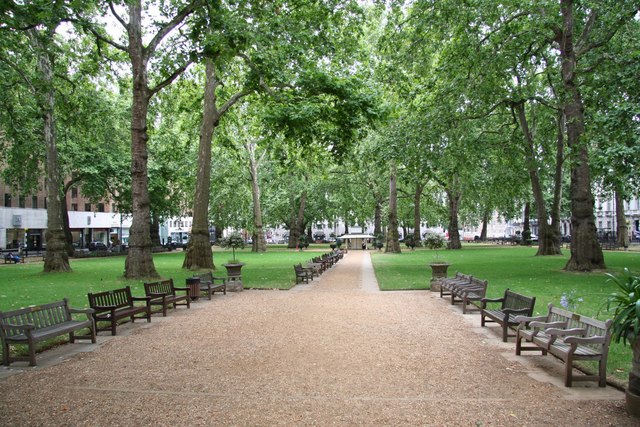
London Planetree
Platanus × acerifolia
A vigorous hybrid of American sycamore and Oriental plane, this is one of the world's premier urban street trees, valued for tolerating pollution, compaction, and severe pollarding. It shows handsome mottled cream-and-olive bark and is more anthracnose-resistant than American sycamore. The fine leaf and seed-ball hairs can irritate airways during cleanup.
Field reference
Family
Platanaceae
Growth rate
Fast
Mature size
70–100 ft tall, 65–80 ft spread
Hardiness zone
5–9
Soil preference
Very adaptable — tolerates compaction, drought, pollution, and poor urban soils
Sun
Full sun
Pruning window
Late winter (dormant); tolerates heavy pollarding
Wood properties
Tough, interlocked-grain wood (~0.55 SG) that is hard to split. Massive trunk and limbs; sound structure makes it a dependable large-crane removal candidate.
Native range
Hybrid origin (P. occidentalis × P. orientalis); planted in cities worldwide
Green weight
52 lb/ft³
Pests & diseases to watch
Asian Longhorned Beetlepest · Severe severity · peak Adults active and emerging July through OctoberAnthracnosefungus · Moderate severity · peak Spring, during cool, wet, rainy weather at and just after leaf-outPowdery Mildewfungus · Low severity · peak Late spring through fall, worst in humid, shaded, crowded conditions
Common questions
How is London planetree different from American sycamore?
It is a hybrid with American sycamore as one parent, but it has better anthracnose resistance, often paired seed balls, and bark that holds more olive-green tones. It also tolerates pollarding extremely well.
Can London planetree be pollarded?
Yes — it is one of the few large trees that tolerates true pollarding, the repeated annual heading back to the same knuckles, commonly used to keep it small along European and city streets.
Related species in Platanaceae
Tree Nerd Academy
Ready to sit the ISA Certified Arborist exam?
Video curriculum, flashcards, and exam-sim built by working arborists.