
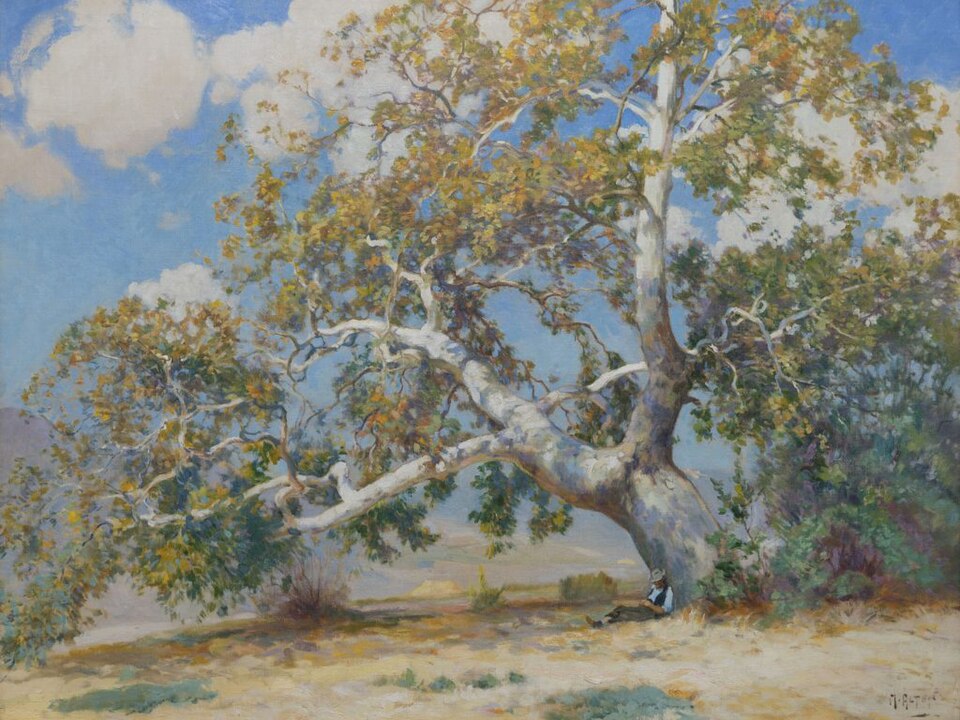
California Sycamore
Platanus racemosa
A large, dramatic native sycamore of California streamsides, with mottled white bark and bold, often leaning and twisting trunks that define riparian canyons. Fast and tough but heavily disfigured by sycamore anthracnose in cool wet springs, and a known host of bacterial leaf scorch (Xylella) in the region.
Field reference
Family
Platanaceae
Growth rate
Fast
Mature size
40–80 ft tall, 40–70 ft spread
Hardiness zone
7–10
Soil preference
Moist streamsides and floodplains; tolerates seasonal drought once established
Sun
Full sun
Pruning window
Dormant season; large, heavy, often leaning multi-stem limbs
Wood properties
Heavy, hard, interlocked sycamore wood that is tough to split. Massive, picturesque leaning and sprawling limbs carry big loads — rig the long cantilevers conservatively.
Native range
California and Baja California, along streams and in canyon bottoms
Green weight
52 lb/ft³
Pests & diseases to watch
Anthracnosefungus · Moderate severity · peak Spring, during cool, wet, rainy weather at and just after leaf-outPowdery Mildewfungus · Low severity · peak Late spring through fall, worst in humid, shaded, crowded conditionsBacterial Leaf Scorchdisease · High severity · peak Symptoms most visible mid-summer to fall (July–October)
Common questions
Why do my California sycamore's new leaves keep dying back in spring?
Sycamore anthracnose blights expanding leaves and shoots in cool, wet spring weather, causing repeated dieback and a witch's-broom of twiggy regrowth. It is rarely fatal; rake and destroy infected leaves and prune for airflow.
Why do California sycamores lean and twist so dramatically?
It is their natural habit — riparian sycamores sprawl, lean, and fork toward light and water, producing the picturesque multi-trunked forms typical of California canyons. Account for that heavy, off-center weight when rigging.
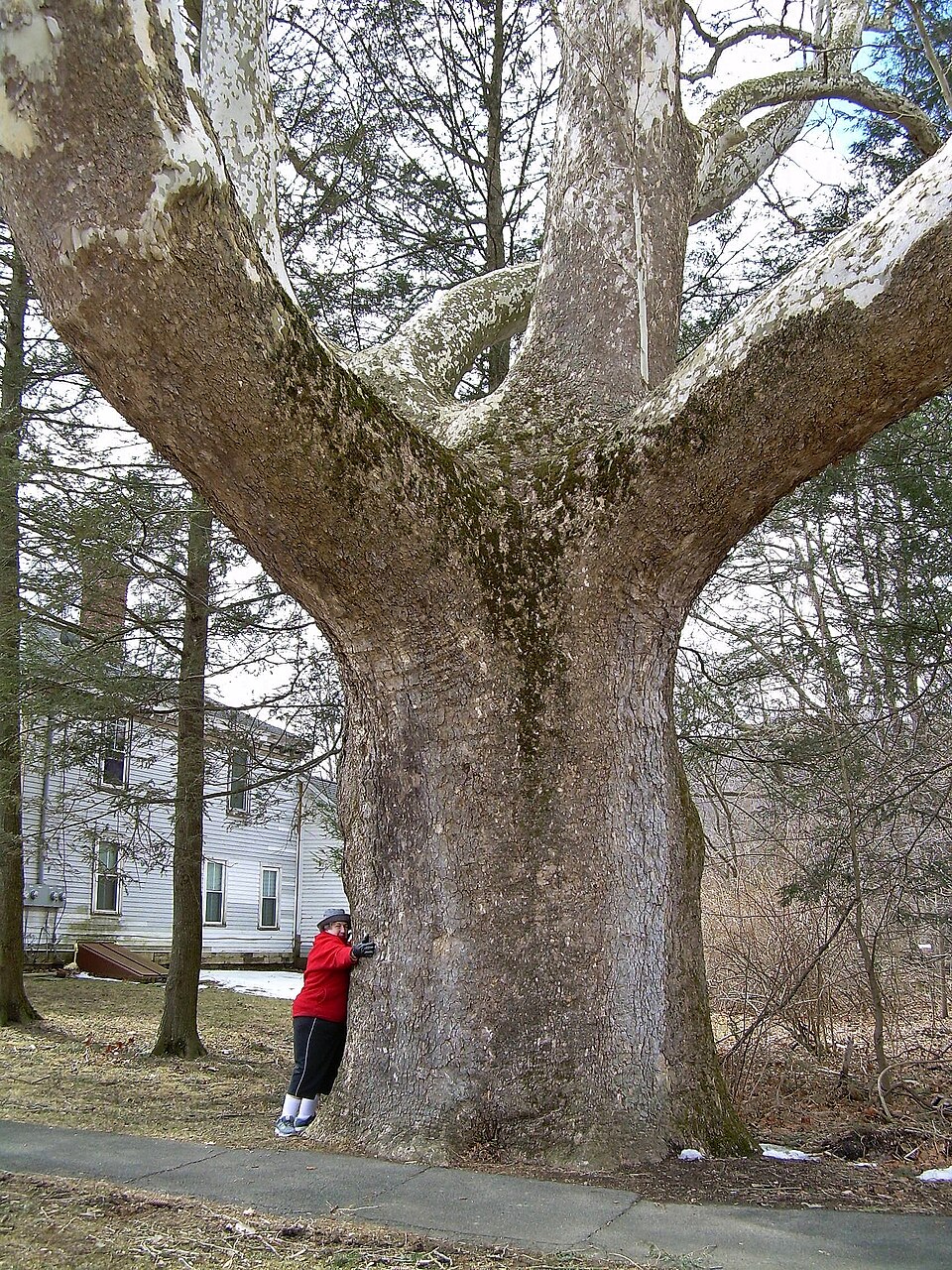
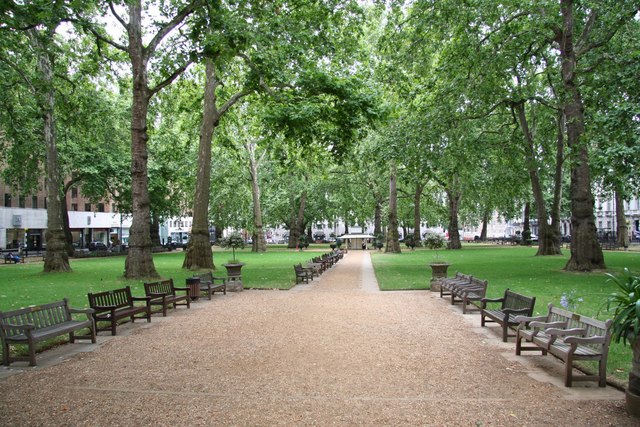
Related species in Platanaceae
Tree Nerd Academy
Ready to sit the ISA Certified Arborist exam?
Video curriculum, flashcards, and exam-sim built by working arborists.