
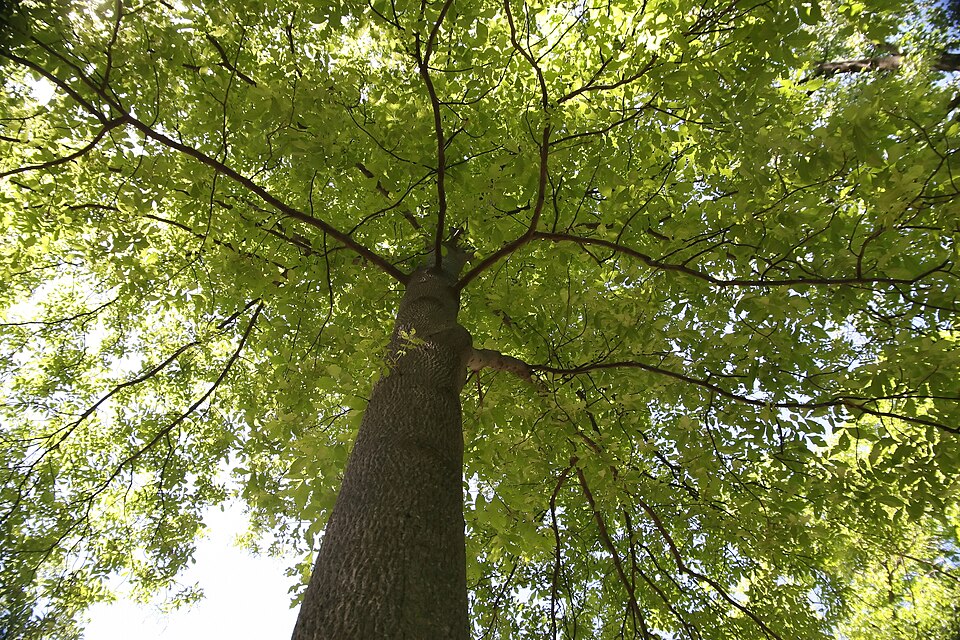
Mockernut Hickory
Carya tomentosa
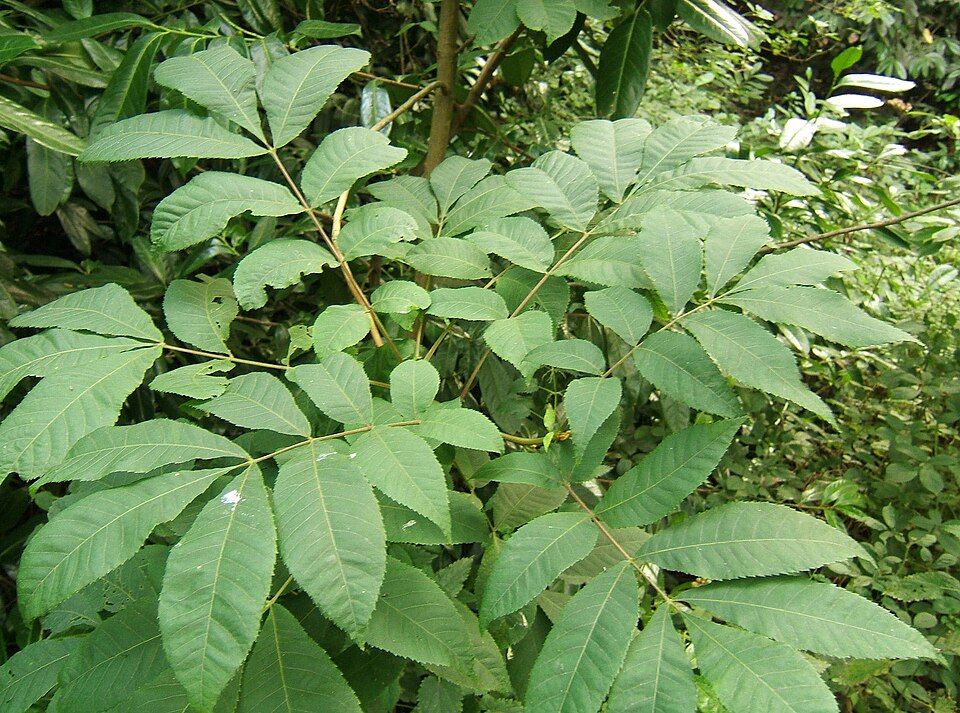
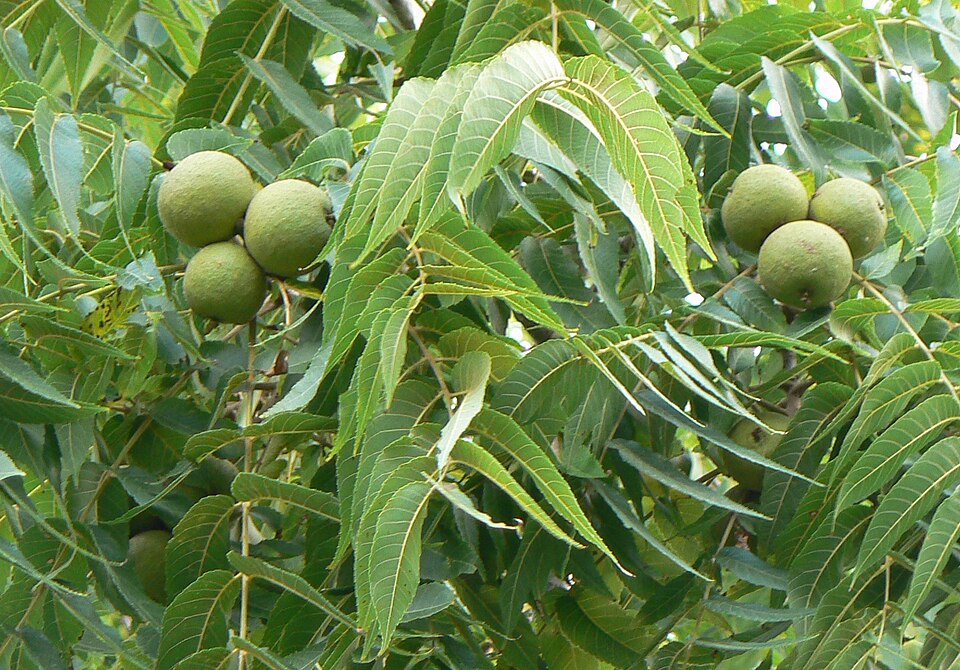
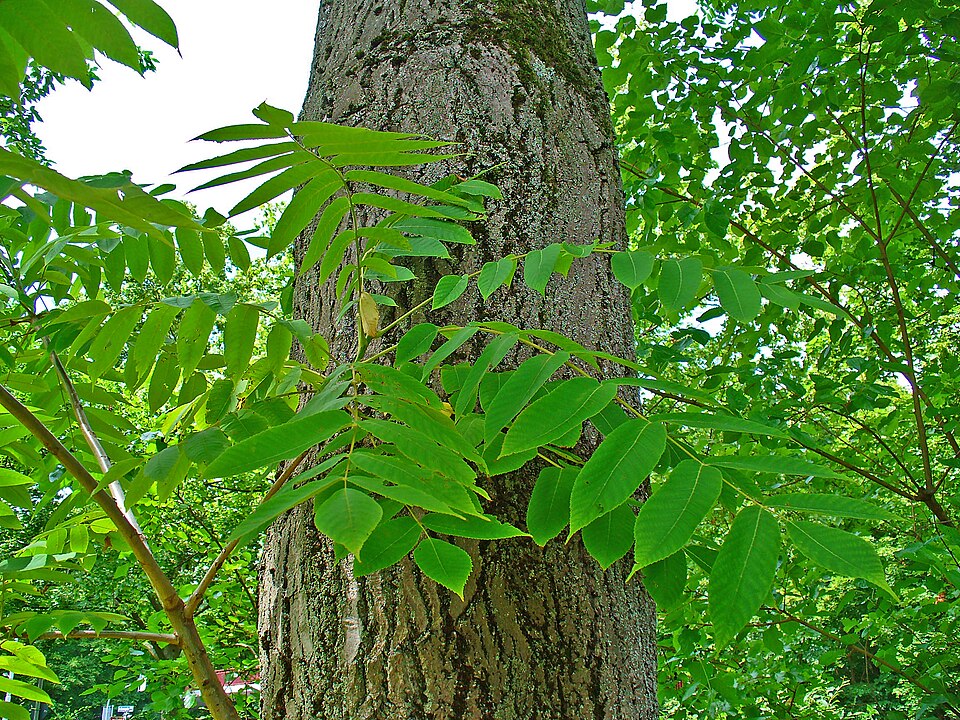
The most common and longest-lived of the true hickories, with fragrant, fuzzy (tomentose) compound leaves and thick-husked nuts that are hard to crack — the 'mocker' nut. Deep-rooted and drought-tough but slow and tap-rooted, so it transplants poorly and is best kept where it grows.
Field reference
Family
Juglandaceae
Growth rate
Slow
Mature size
50–80 ft tall, 30–40 ft spread
Hardiness zone
4–9
Soil preference
Dry to moist upland soils; deep taproot makes it very drought-tolerant
Sun
Full sun
Pruning window
Dormant season (late winter)
Wood properties
Very heavy, hard, strong, shock-resistant hickory (~0.72 SG) — top-tier for tool handles and high-energy firewood. Dense green wood; large limbs load rigging heavily.
Native range
Eastern United States, Massachusetts to Florida and west to Texas and Nebraska
Green weight
63 lb/ft³
Pests & diseases to watch
Common questions
Why is it called mockernut?
The nuts have very thick husks and shells around a small kernel, so they 'mock' anyone expecting a big meat — lots of work for little nut. The wood and wildlife value, however, are first-rate.
Is hickory wood good firewood?
Excellent — mockernut and other hickories are among the densest North American hardwoods, burning hot and long, and are prized for smoking meats. The same density makes green removals heavy to rig and handle.
Related species in Juglandaceae
Tree Nerd Academy
Ready to sit the ISA Certified Arborist exam?
Video curriculum, flashcards, and exam-sim built by working arborists.