
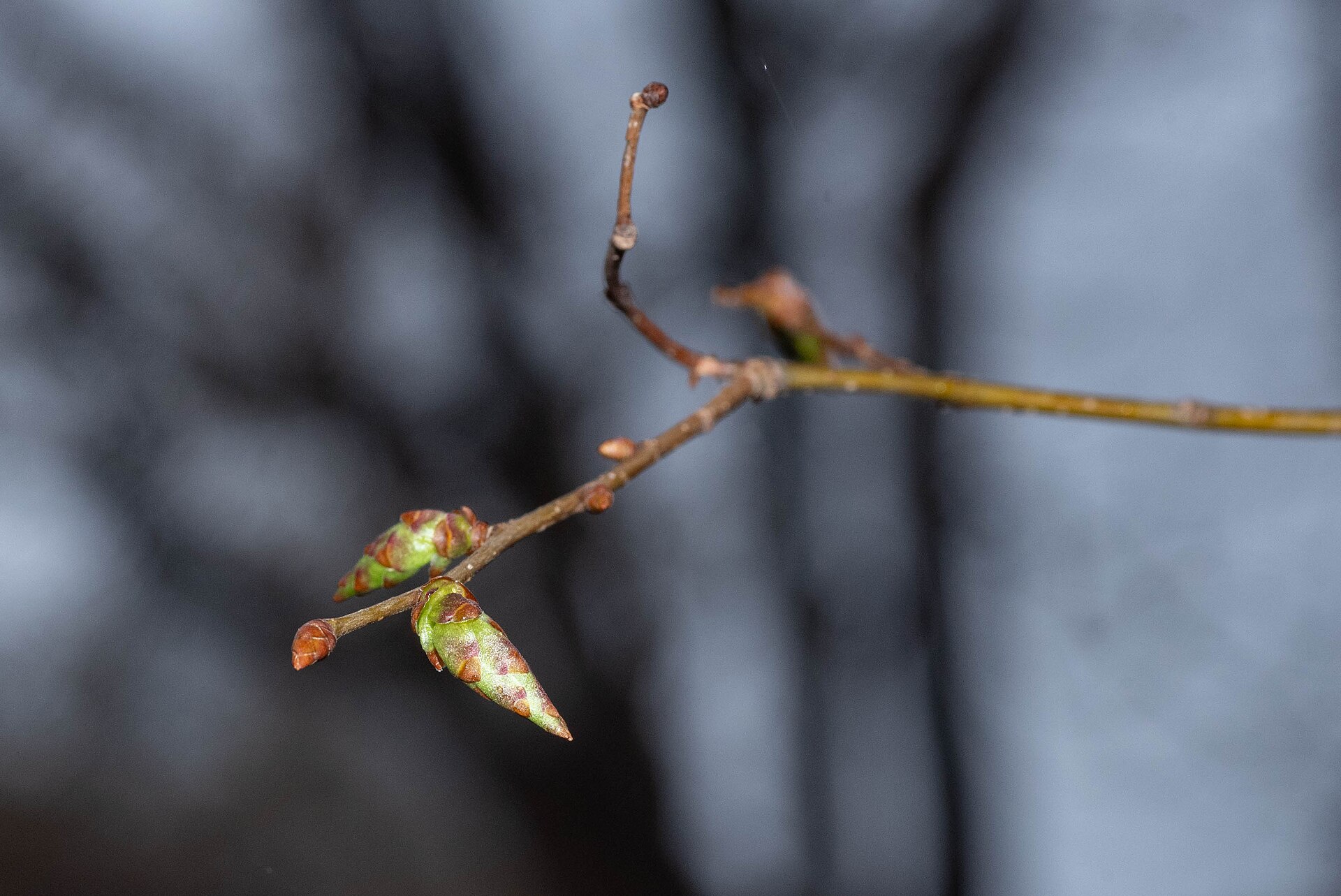
Japanese Zelkova
Zelkova serrata
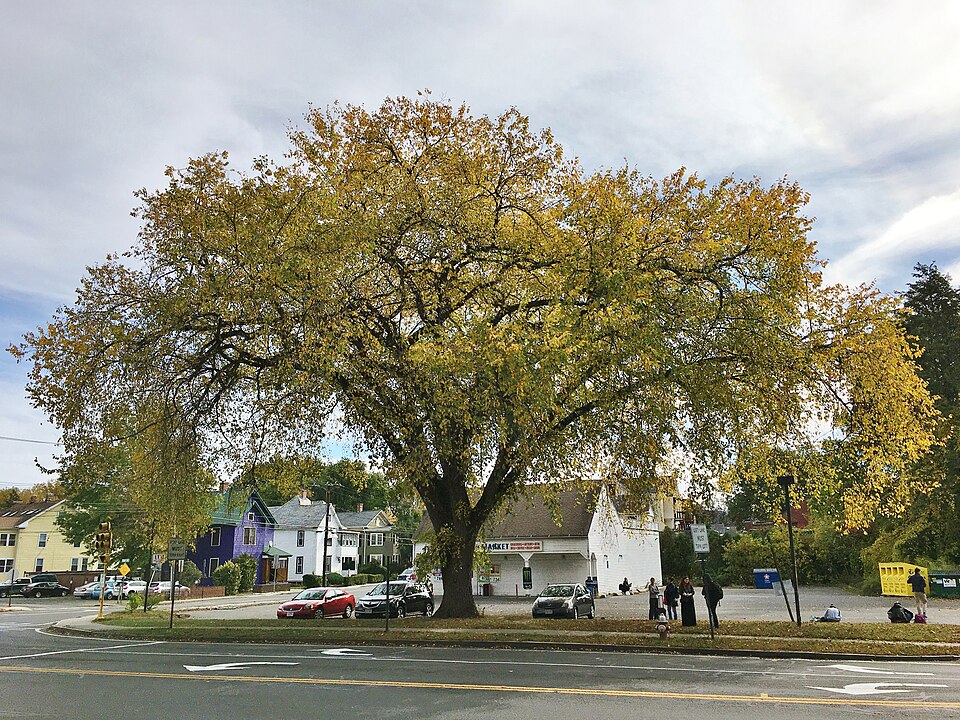
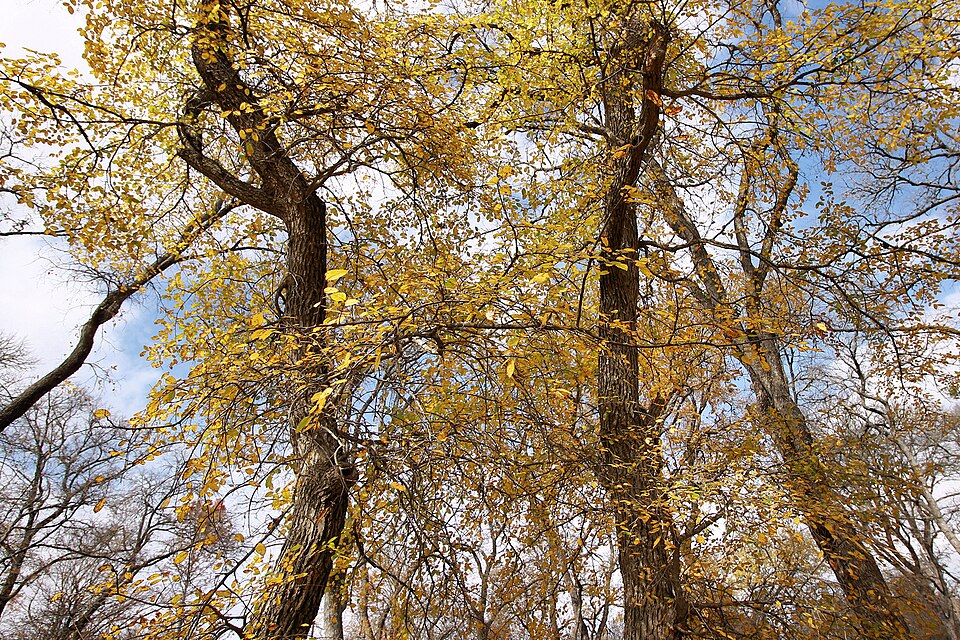
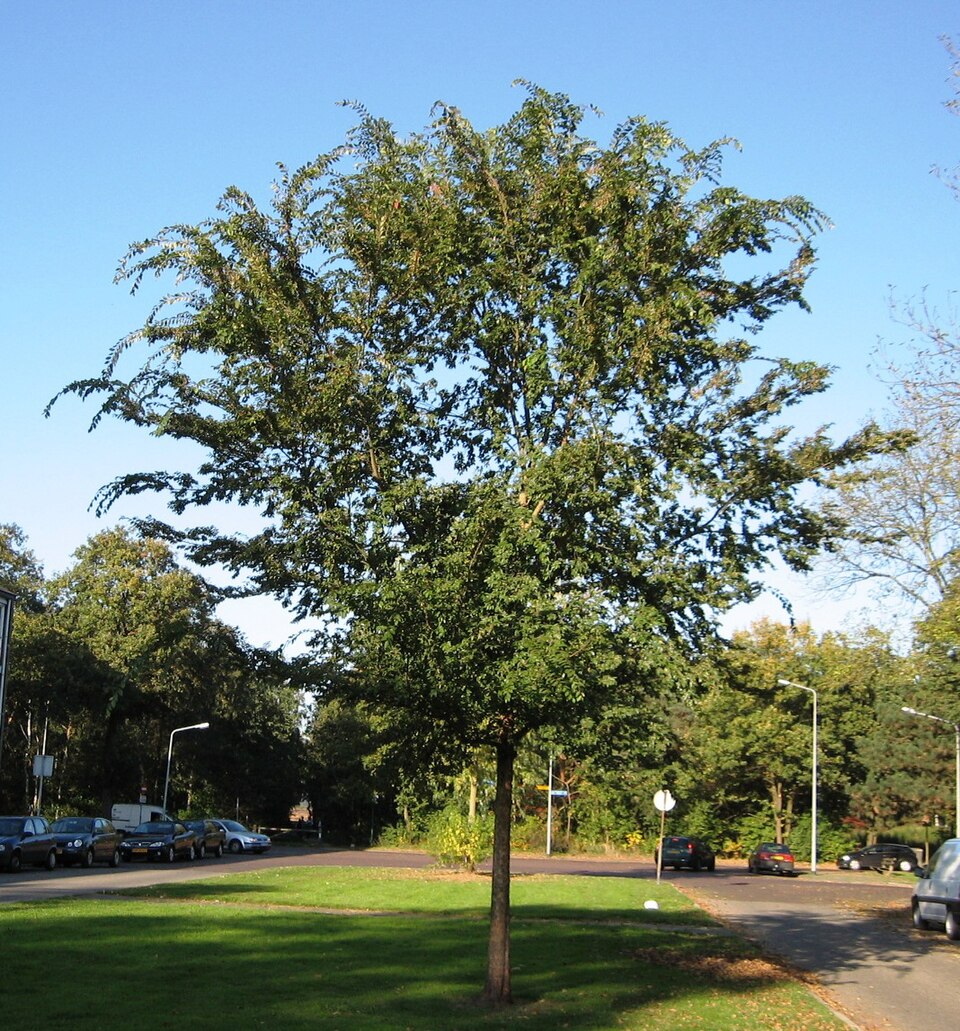
A graceful elm relative widely planted as an American elm replacement for its similar vase shape, smooth gray (later flaking) bark, and good resistance to Dutch elm disease and elm leaf beetle. Tough and urban-tolerant, but its habit of many upright codominant stems makes early structural pruning important.
Field reference
Family
Ulmaceae
Growth rate
Moderate
Mature size
50–80 ft tall, 50–75 ft spread
Hardiness zone
5–8
Soil preference
Deep, moist, well-drained soils; tolerates drought, wind, and urban stress once established
Sun
Full sun
Pruning window
Dormant season; thin the dense vase crown and correct tight forks early
Wood properties
Hard, tough, attractive elm-relative wood; strong limbs. Its upright-vase form with many co-equal stems builds tight unions — establish spacing and a leader while young.
Native range
Native to Japan, Korea, and eastern China; widely planted as a street tree
Green weight
52 lb/ft³
Pests & diseases to watch
Common questions
Why is zelkova used to replace American elm?
It mirrors the classic elm vase shape and arching street-canopy form while resisting Dutch elm disease and elm leaf beetle. That combination made 'Green Vase' and 'Village Green' zelkovas popular elm substitutes.
Does zelkova have weak wood?
The wood itself is strong, but young trees form many upright, co-equal stems with tight, included-bark unions. Early structural pruning to reduce competing leaders prevents the storm breakage those weak forks can cause.
Related species in Ulmaceae
Tree Nerd Academy
Ready to sit the ISA Certified Arborist exam?
Video curriculum, flashcards, and exam-sim built by working arborists.