
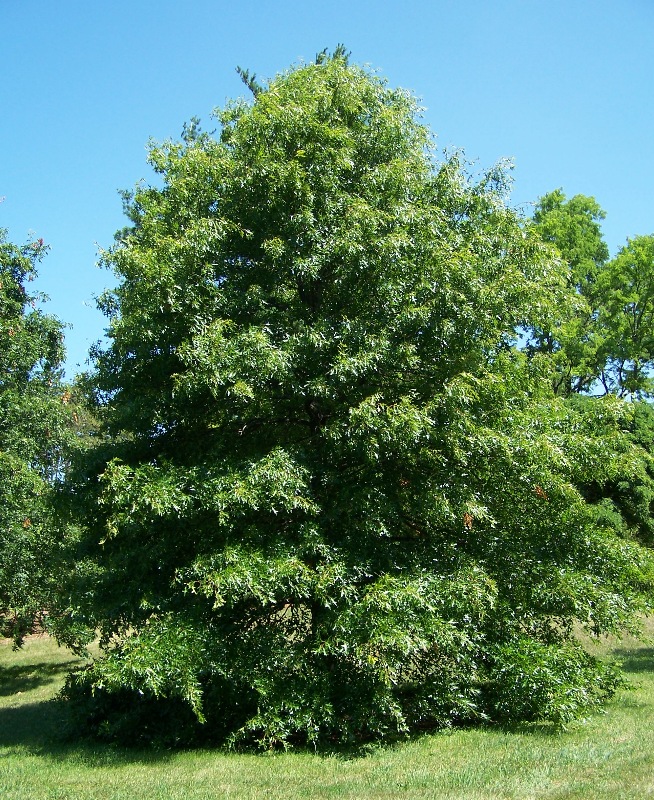
Pin Oak
Quercus palustris
A fast-growing pyramidal oak with a strong central leader and distinctive drooping lower branches. Notorious for iron chlorosis (interveinal yellowing) when planted in alkaline urban soils. Retains dead inner twigs, giving it a 'pin' look.
Field reference
Family
Fagaceae
Growth rate
Fast
Mature size
50–70 ft tall, 35–45 ft spread
Hardiness zone
4–8
Soil preference
Moist, acidic, poorly-drained soils; chlorotic in high-pH soil
Sun
Full sun
Pruning window
Mid-winter (dormant)
Wood properties
Hard, heavy ring-porous oak (~0.58 SG) with persistent downward-angled lower limbs. Knotty, often included bark at unions — inspect unions before loading.
Native range
Eastern and central United States, especially river bottoms of the Midwest
Green weight
58 lb/ft³
Pests & diseases to watch
Oak Wiltfungus · Severe severity · peak Spring and early summer (high infection risk from fresh wounds April–July)Spongy Moth (formerly Gypsy Moth)pest · High severity · peak Caterpillars feed and defoliate May–June; egg masses laid mid-summer overwinterBacterial Leaf Scorchdisease · High severity · peak Symptoms most visible mid-summer to fall (July–October)Scale Insectspest · Moderate severity · peak Vulnerable mobile 'crawlers' emerge late spring–summer (species dependent)
Common questions
Why is my pin oak turning yellow between the veins?
That is classic iron (or manganese) chlorosis from high soil pH locking up nutrients. Correct with soil acidification or trunk-injected chelated iron rather than foliar quick fixes alone.
Can I remove the low drooping branches?
Yes, but raise the canopy gradually over several dormant seasons to avoid large wounds and to keep the lower trunk shaded and tapered.
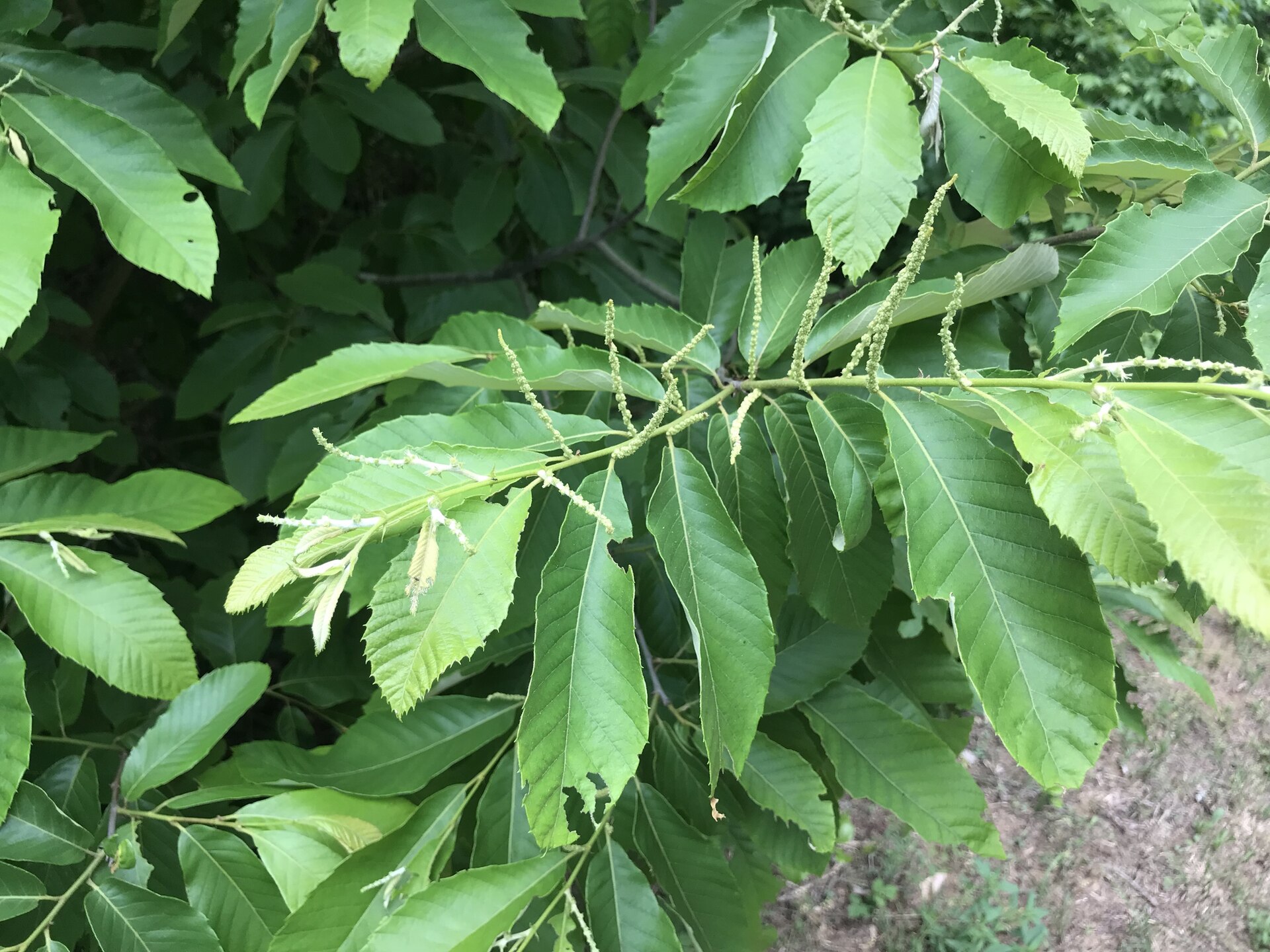
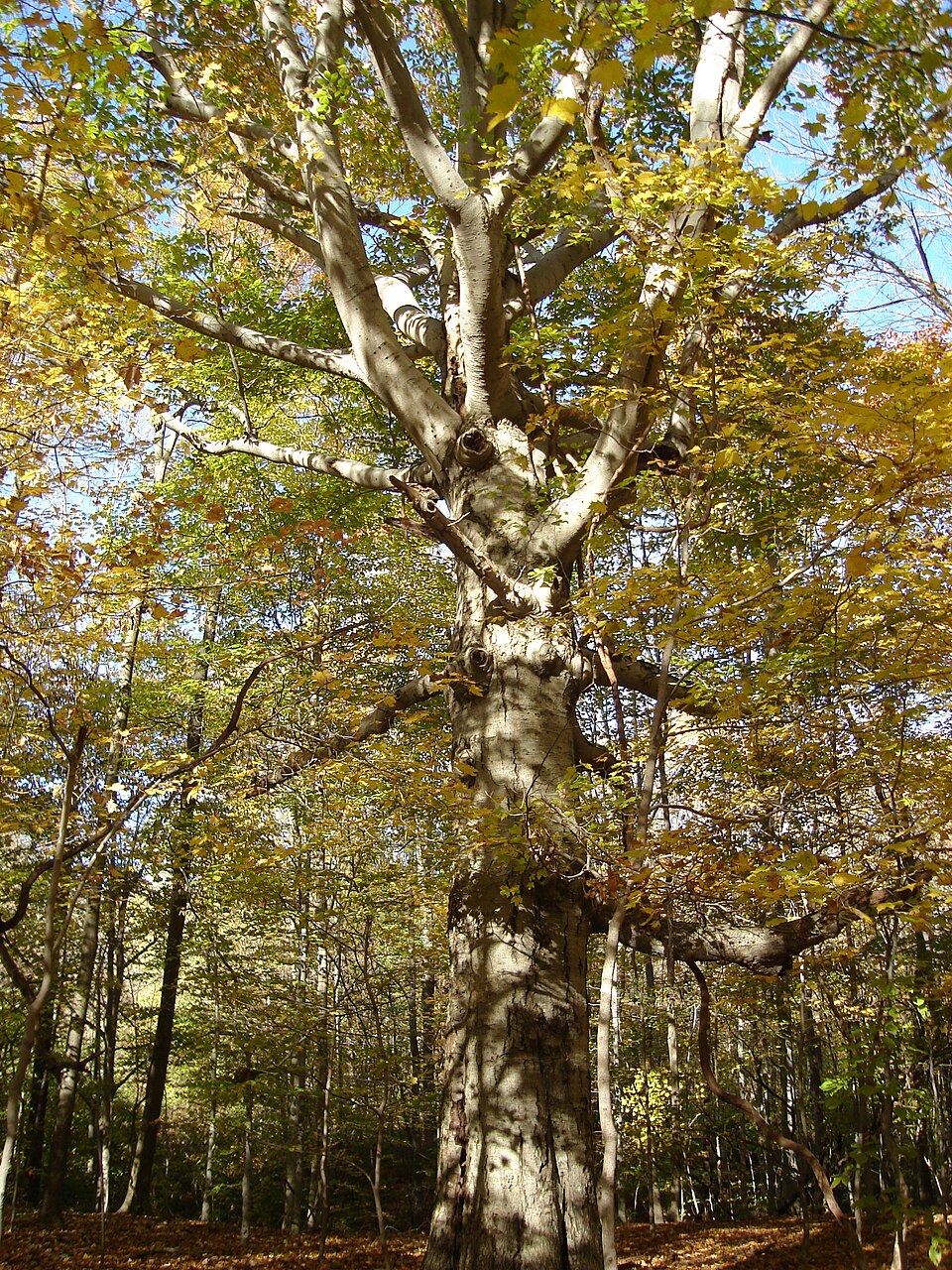
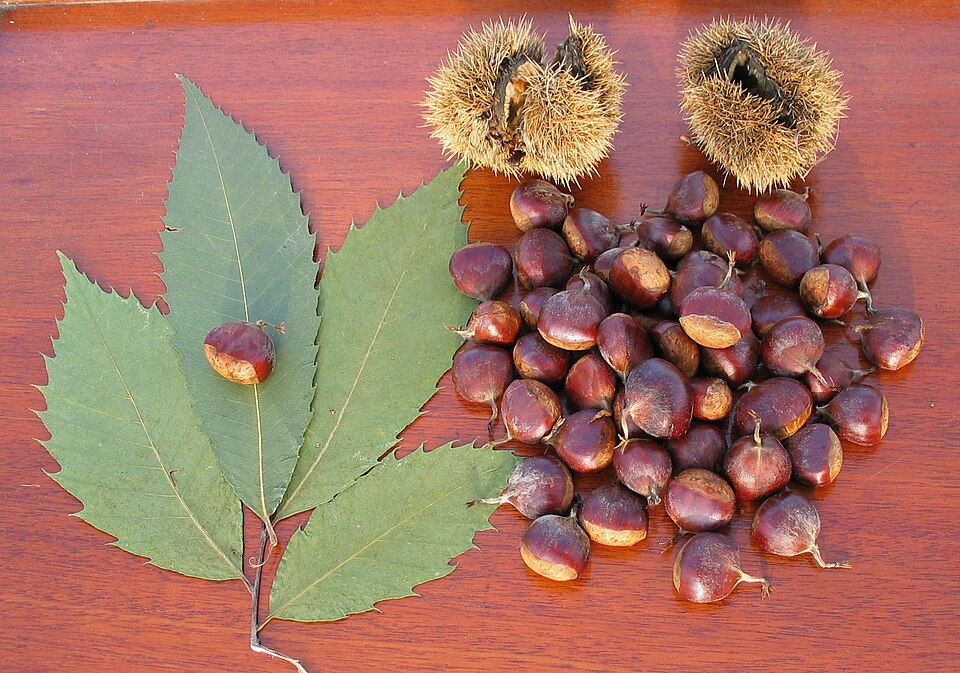
Related species in Fagaceae
Tree Nerd Academy
Ready to sit the ISA Certified Arborist exam?
Video curriculum, flashcards, and exam-sim built by working arborists.