
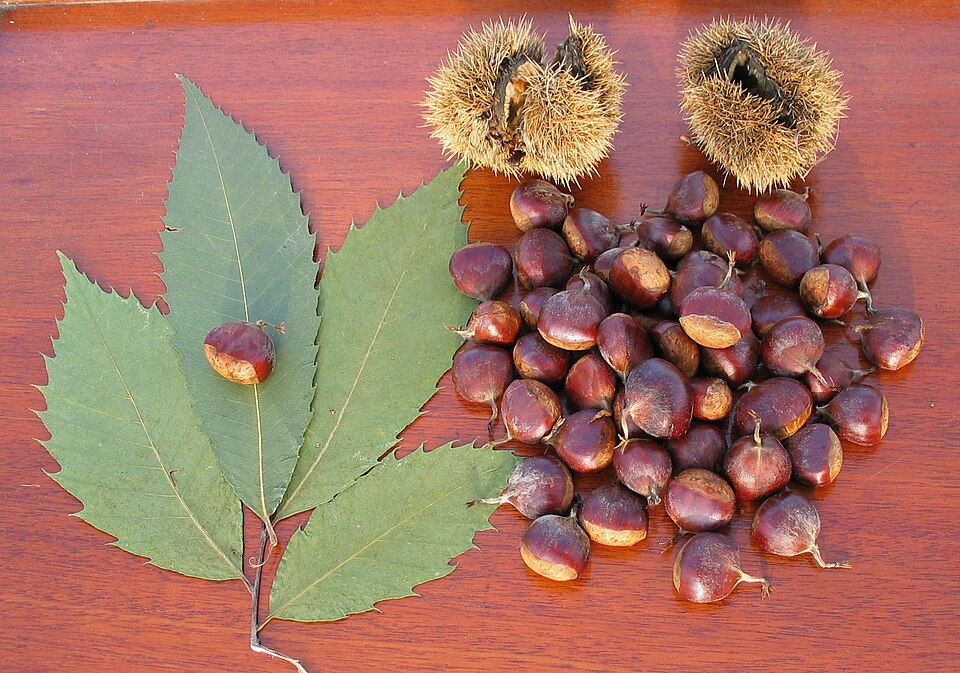
American Chestnut
Castanea dentata
Once the dominant canopy tree of eastern forests, the American chestnut was functionally wiped out by chestnut blight (Cryphonectria parasitica) after about 1904. Root systems survive and resprout, but sprouts are usually killed back before maturity; breeding and biotech programs aim to restore a blight-resistant tree. Surviving large specimens are rare and worth reporting.
Field reference
Family
Fagaceae
Growth rate
Fast
Mature size
Historically 60–100 ft; today usually a multi-stem shrub before blight
Hardiness zone
4–8
Soil preference
Well-drained, acidic, upland soils; intolerant of wet or alkaline ground
Sun
Full sun
Pruning window
Dormant season; most surviving stems are small sprouts
Wood properties
Light, straight-grained, exceptionally rot-resistant wood (~0.43 SG) once central to American building and furniture. Today rarely encountered at timber size because of the blight.
Native range
Eastern United States, Maine to Mississippi (largely as understory sprouts today)
Green weight
55 lb/ft³
Common questions
Are there any American chestnut trees left?
The species is not extinct — old root systems still send up sprouts that grow until chestnut blight girdles them, usually before they can flower and fruit. Scattered large survivors exist and are valued for resistance breeding.
Can I plant a blight-resistant American chestnut?
Restoration programs (notably The American Chestnut Foundation) are developing blight-resistant trees through backcross breeding and genetic engineering. True restoration stock is still limited, so verify the source before planting.
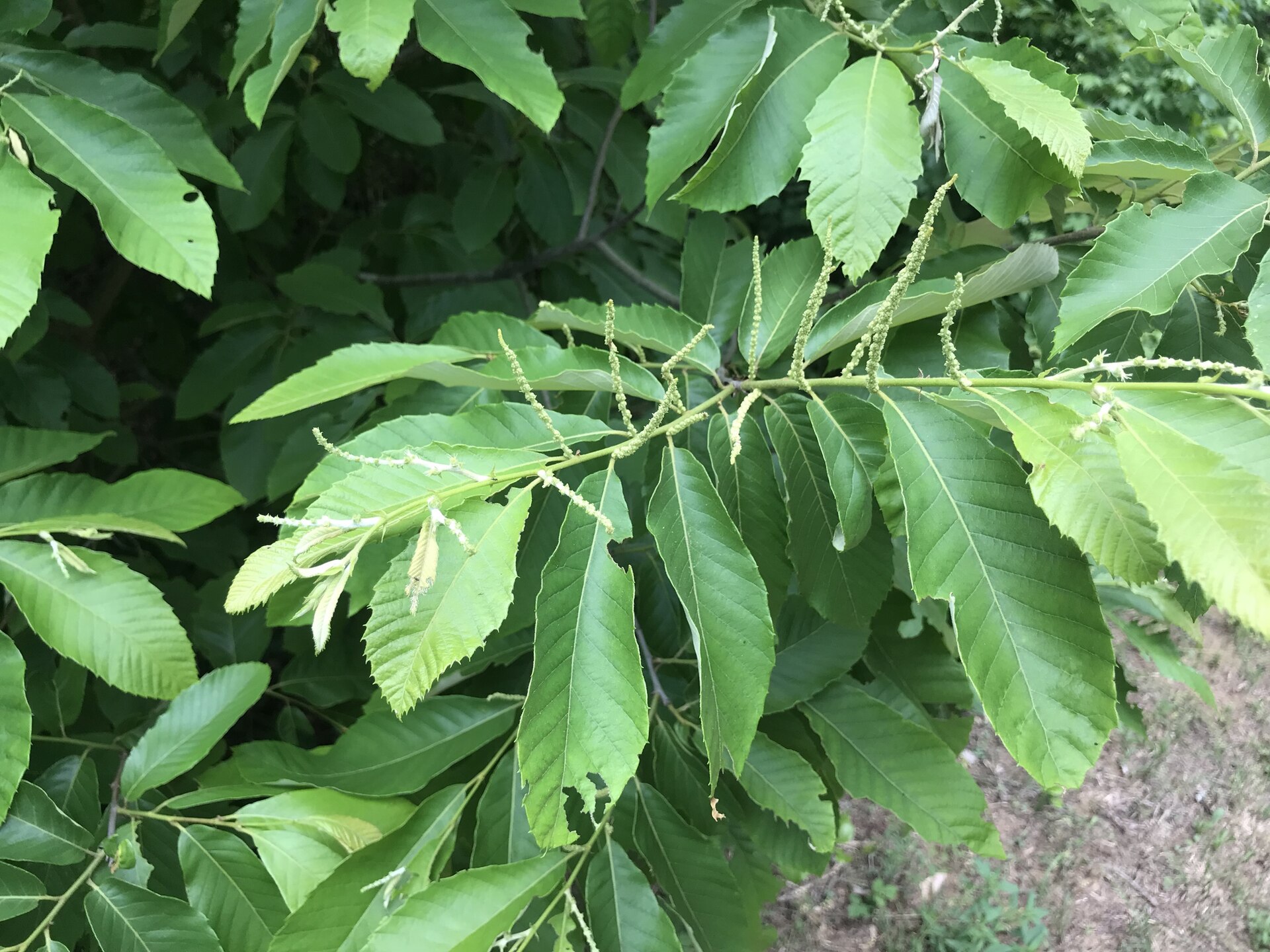
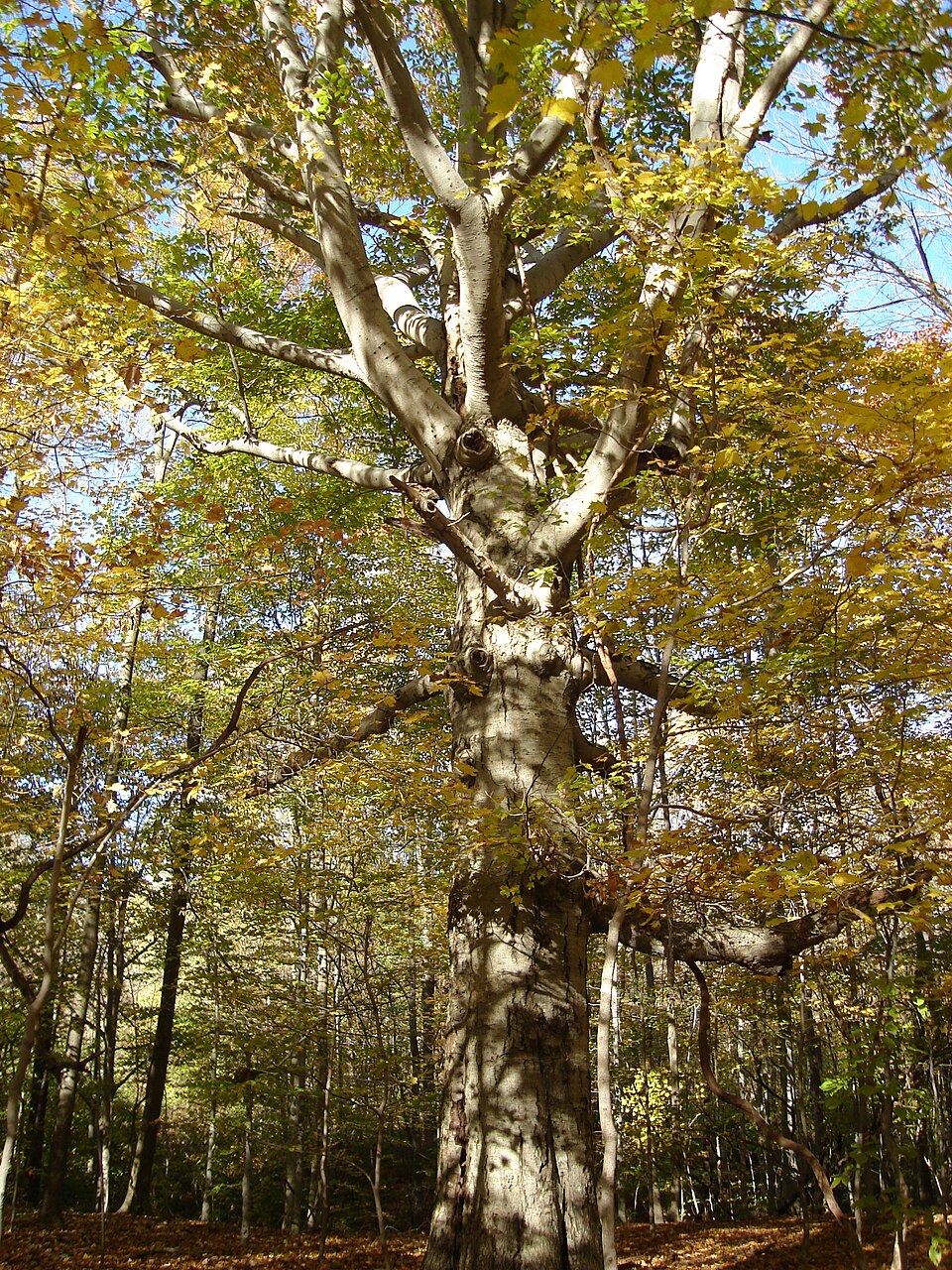
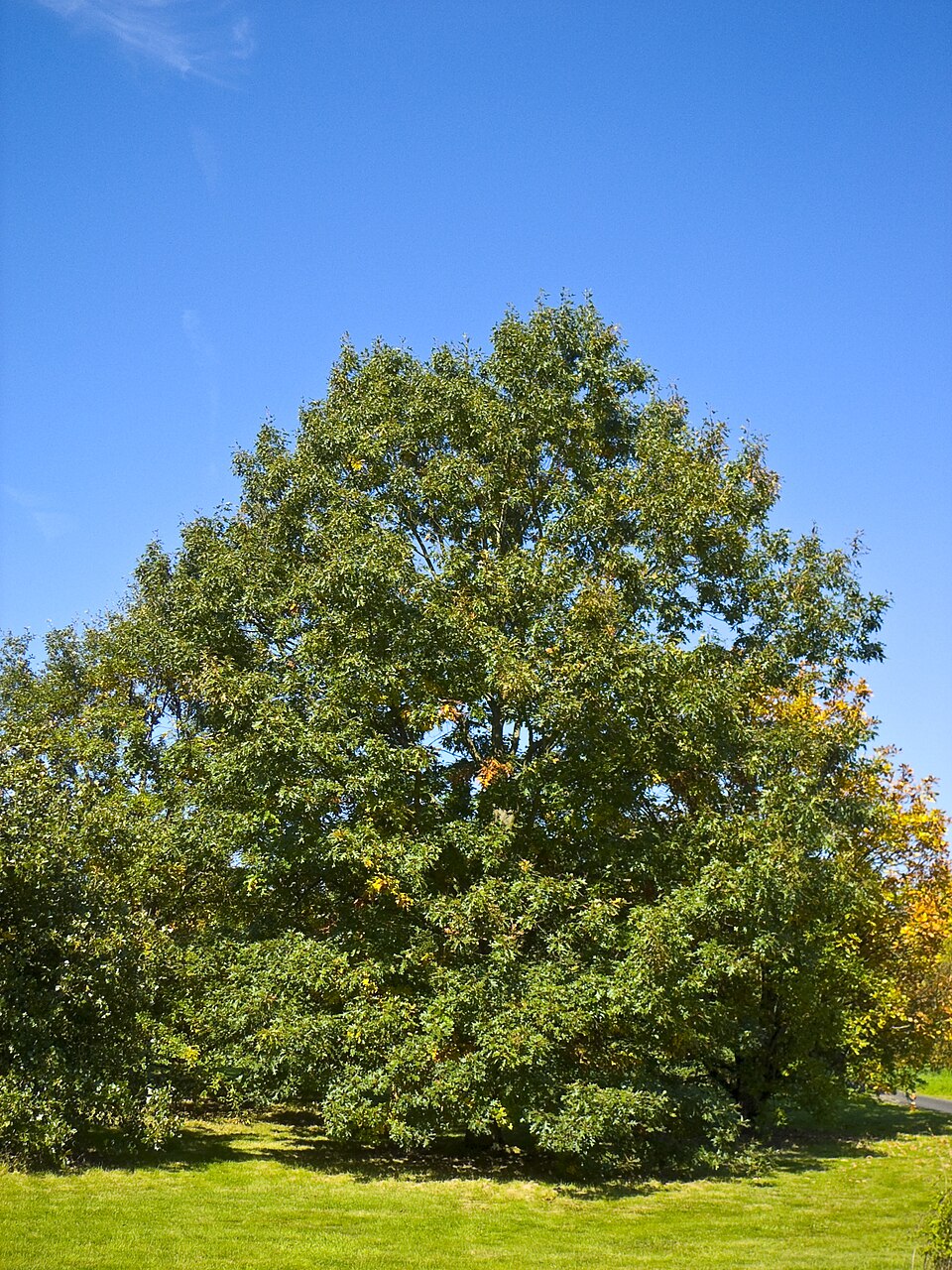
Related species in Fagaceae
Tree Nerd Academy
Ready to sit the ISA Certified Arborist exam?
Video curriculum, flashcards, and exam-sim built by working arborists.