
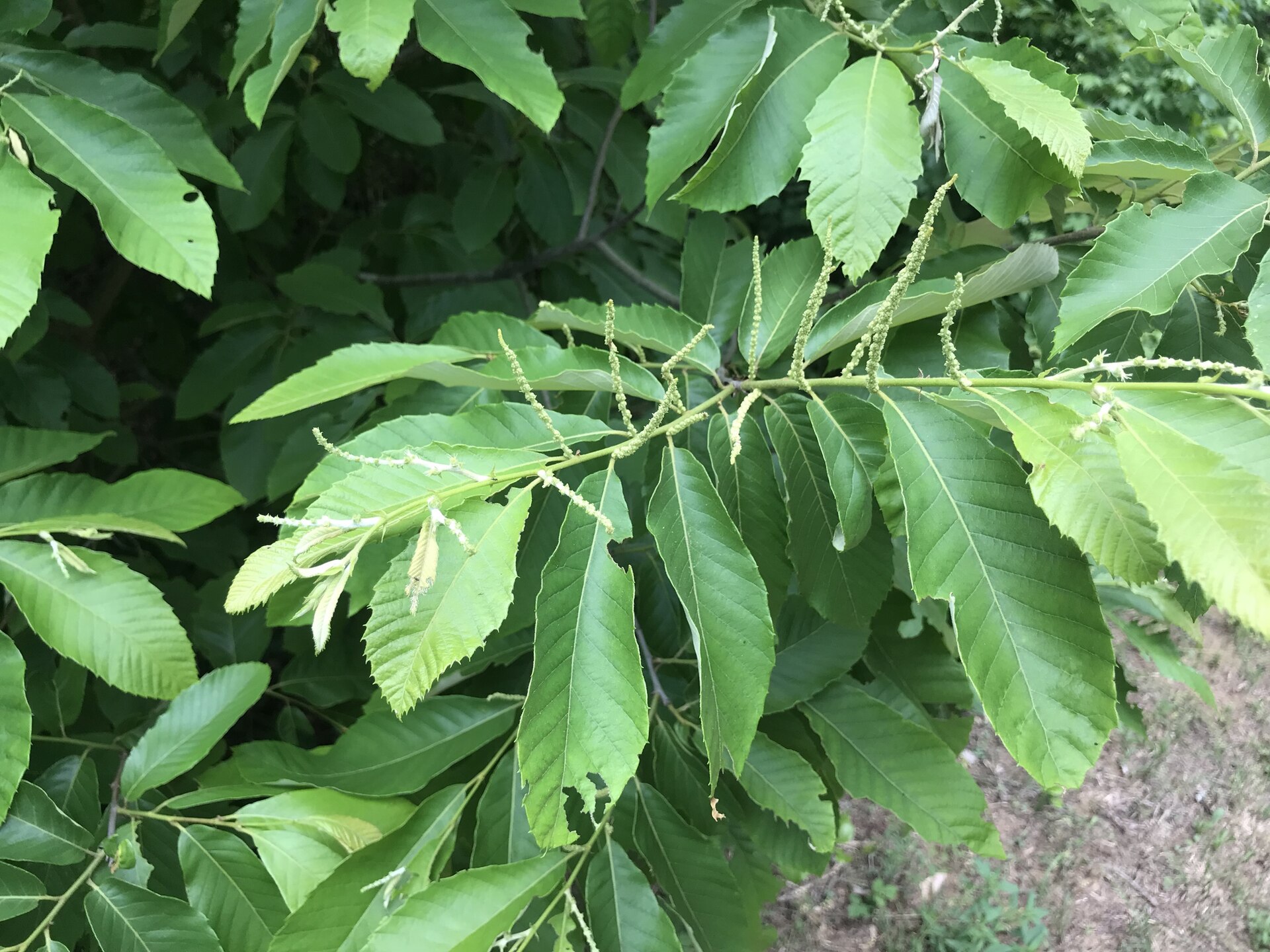
Allegheny Chinkapin
Castanea pumila var. pumila
Produces edible nuts; highly susceptible to chestnut blight in many areas.
Field reference
Family
Fagaceae
Growth rate
Moderate
Mature size
15–30 ft tall, 15–25 ft spread
Hardiness zone
5-9
Soil preference
Well-drained, acidic, sandy or loamy soils
Sun
Full Sun to Partial Shade
Pruning window
Late winter
Wood properties
Hard, durable chestnut-type wood; high tannin content; rot resistant
Native range
Southeastern United States
Green weight
45 lb/ft³
Common questions
Is Allegheny chinkapin edible?
Yes. It produces small edible nuts similar to chestnuts.
How big does chinkapin get?
It typically grows as a large shrub or small tree up to 30 feet tall.
Is chinkapin affected by chestnut blight?
Yes. It is highly susceptible to chestnut blight fungus.
Where does Allegheny chinkapin grow naturally?
It is native to the southeastern United States in dry upland forests.
Does chinkapin produce nuts every year?
Nut production varies annually depending on weather and tree health.
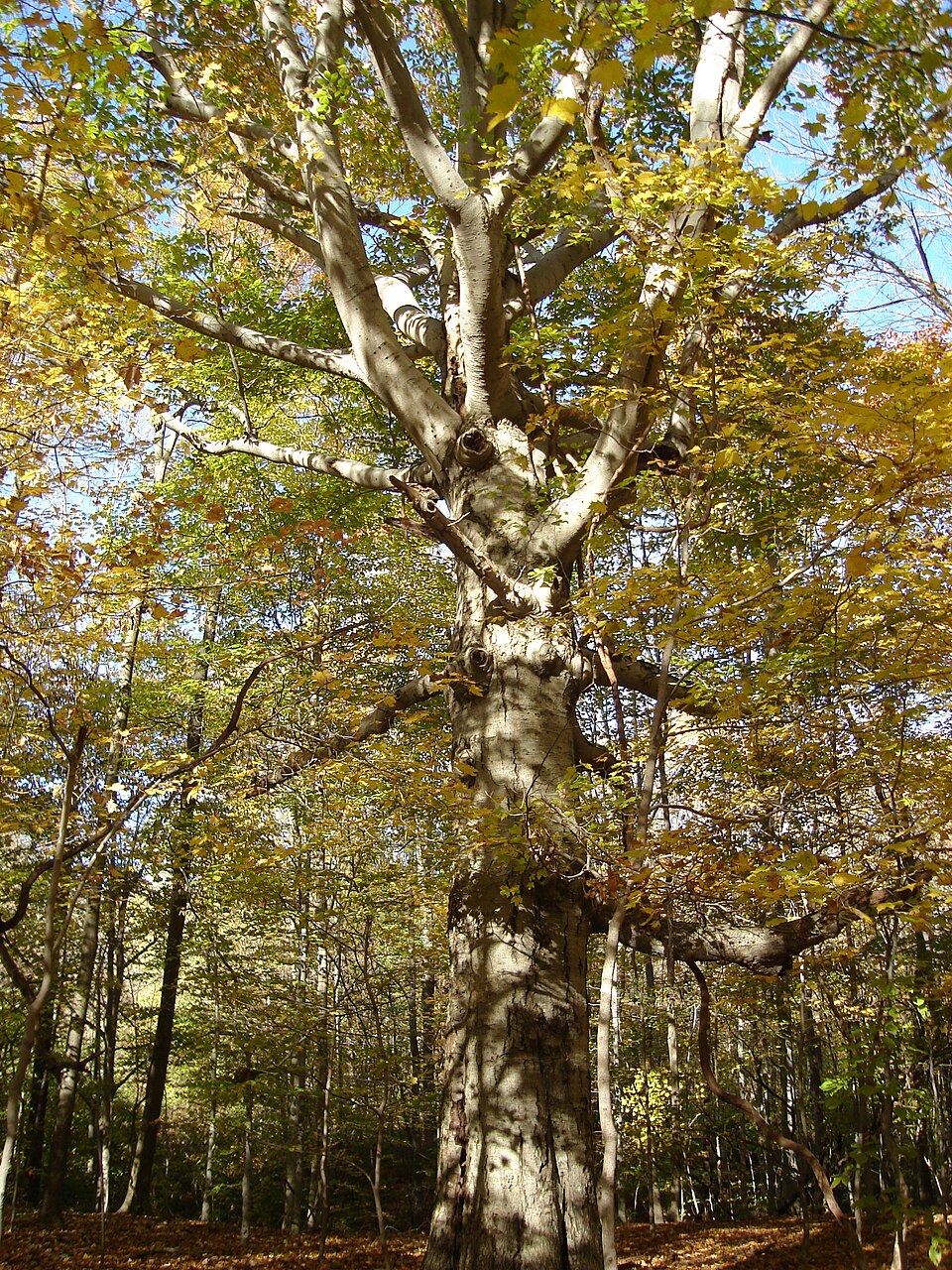
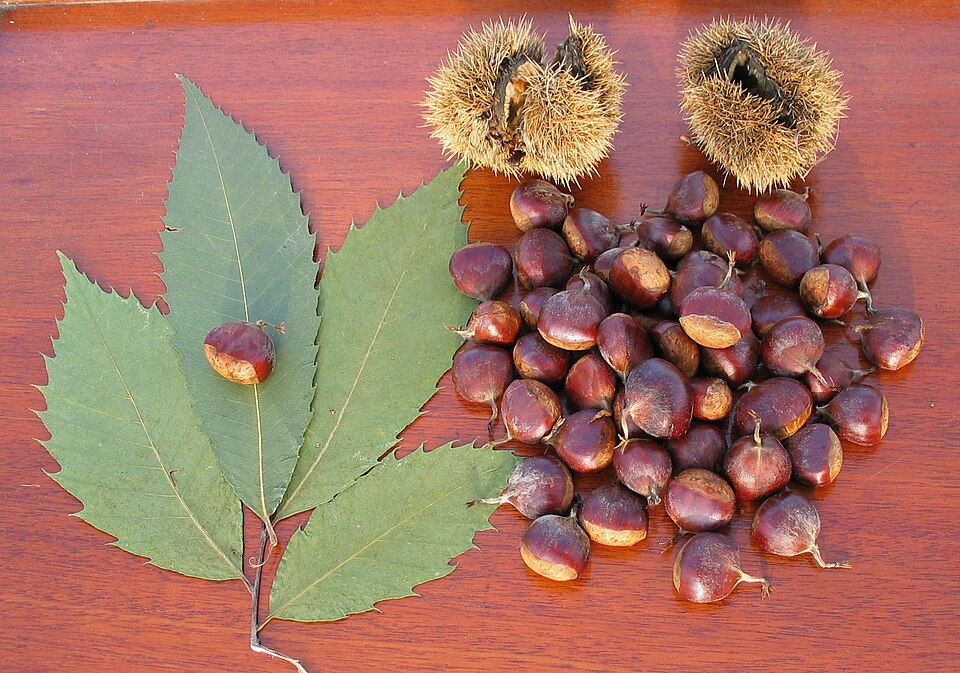
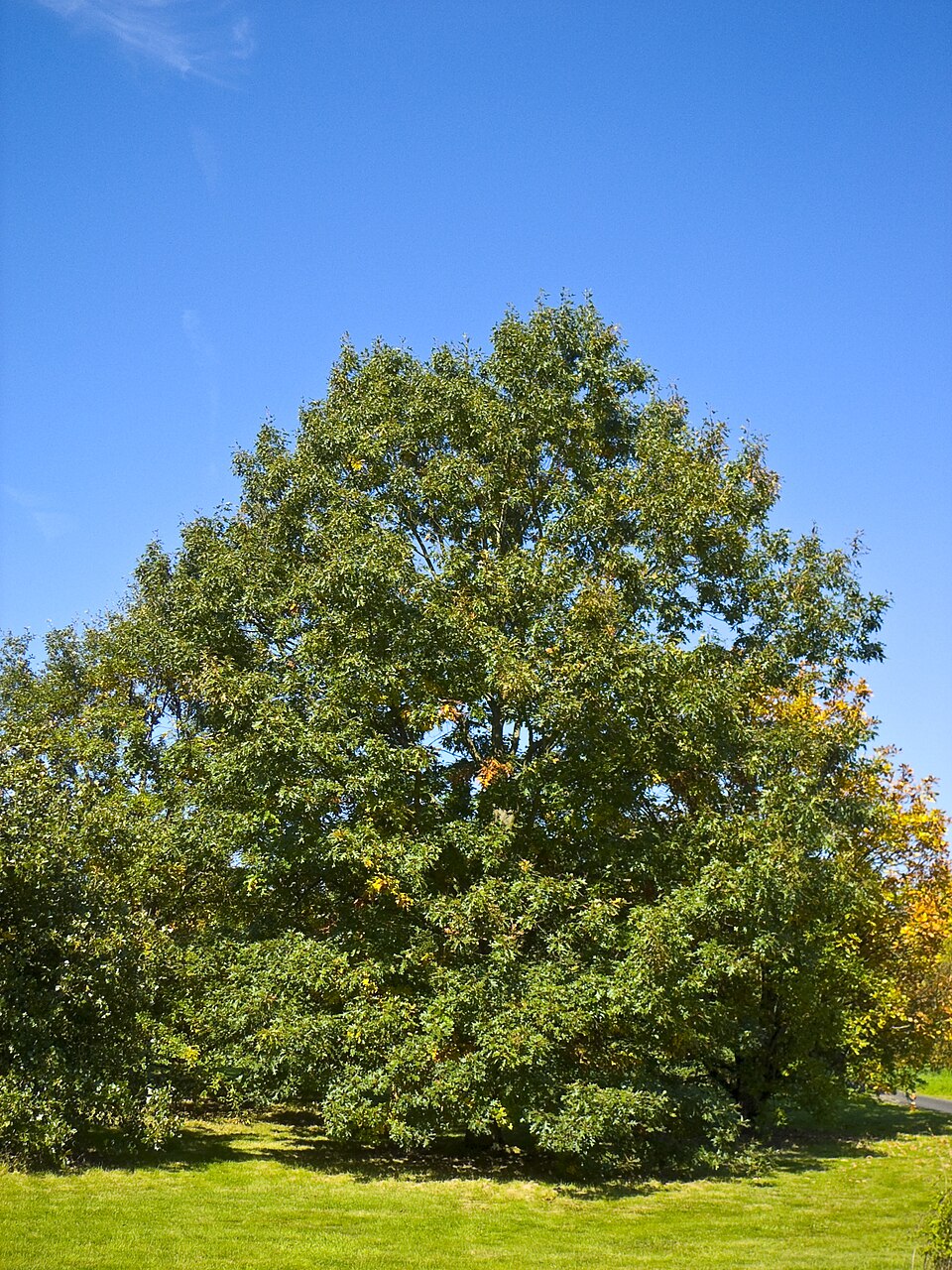
Related species in Fagaceae
Tree Nerd Academy
Ready to sit the ISA Certified Arborist exam?
Video curriculum, flashcards, and exam-sim built by working arborists.