
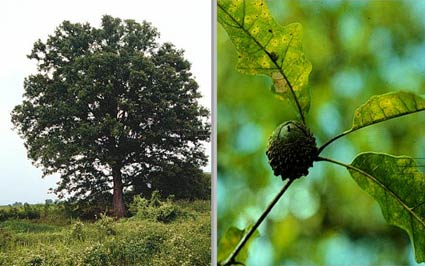
Overcup Oak
Quercus lyrata
A tough white oak of southern river bottoms, increasingly used as a durable, clean urban street tree for its tolerance of wet clay, drought, and compaction once established. Named for acorns almost fully enclosed by their caps; slower than red oaks but well-structured and long-lived.
Field reference
Family
Fagaceae
Growth rate
Slow
Mature size
40–60 ft tall, 40–60 ft spread
Hardiness zone
5–9
Soil preference
Wet, heavy clay bottomlands; tolerates flooding and poor drainage better than most oaks
Sun
Full sun
Pruning window
Mid-winter (dormant); avoid spring wounds in oak-wilt zones
Wood properties
Strong, durable white-group oak (~0.62 SG) sold with white oak. Sound limbs; tolerant of wet sites, with acorns nearly enclosed by the cap (the 'overcup').
Native range
Southeastern and south-central United States bottomlands, Delaware to Texas
Green weight
62 lb/ft³
Pests & diseases to watch
Common questions
Is overcup oak a good street tree?
Increasingly, yes — it tolerates wet clay, occasional flooding, drought, and compacted urban soil, keeps a strong central leader, and stays relatively clean, making it a tough, adaptable choice where many oaks struggle.
What makes the acorns unusual?
The cap nearly or completely encloses the acorn — the 'overcup' — which helps the buoyant nuts float and disperse in the floodwaters of its bottomland habitat.
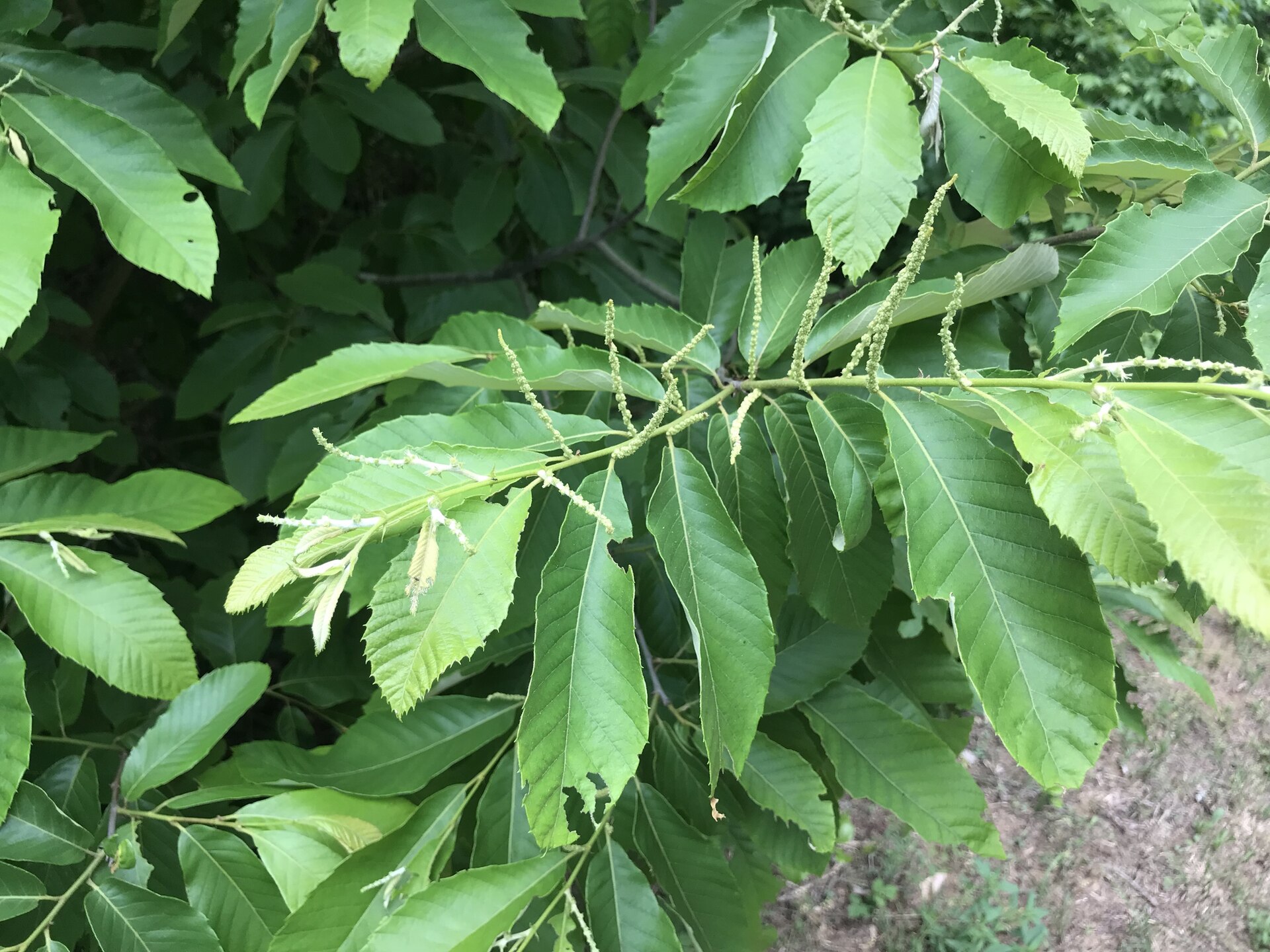
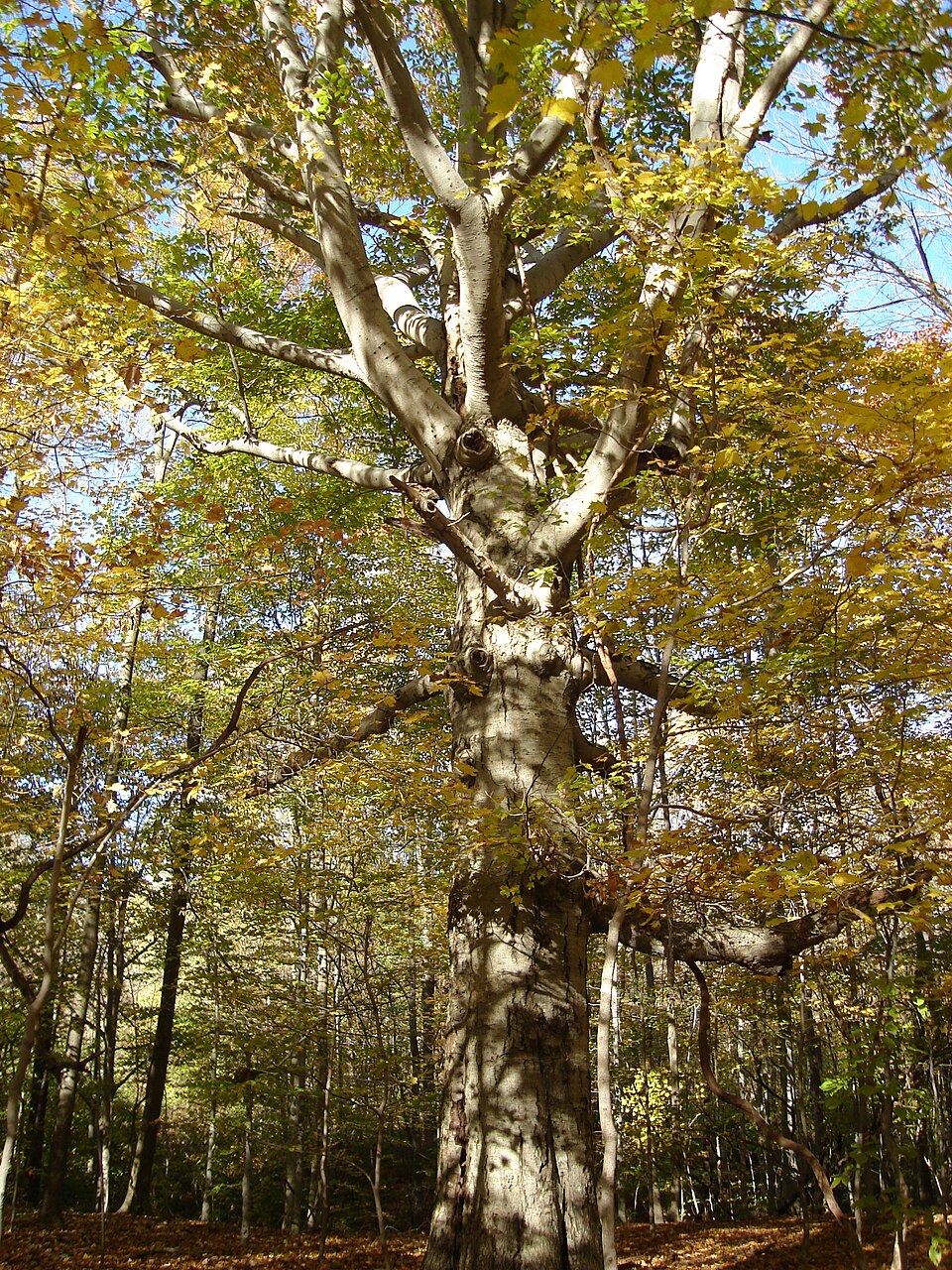
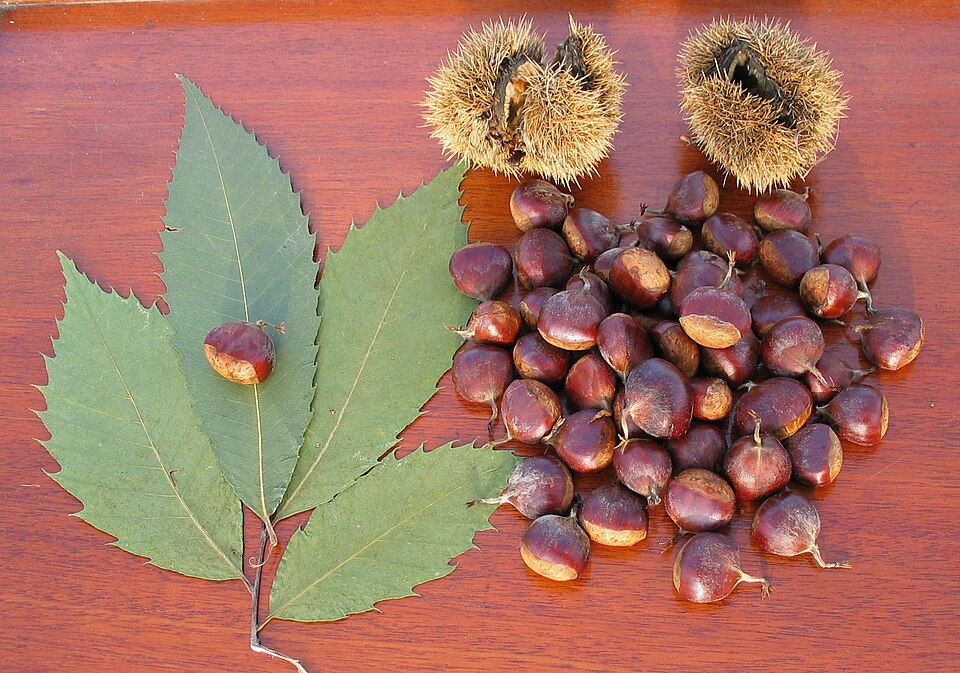
Related species in Fagaceae
Tree Nerd Academy
Ready to sit the ISA Certified Arborist exam?
Video curriculum, flashcards, and exam-sim built by working arborists.