
When to Recommend Removal vs. Mitigation
Not every defective tree needs to come down, and not every cherished tree can be saved. A defensible framework for the hardest recommendation you make.
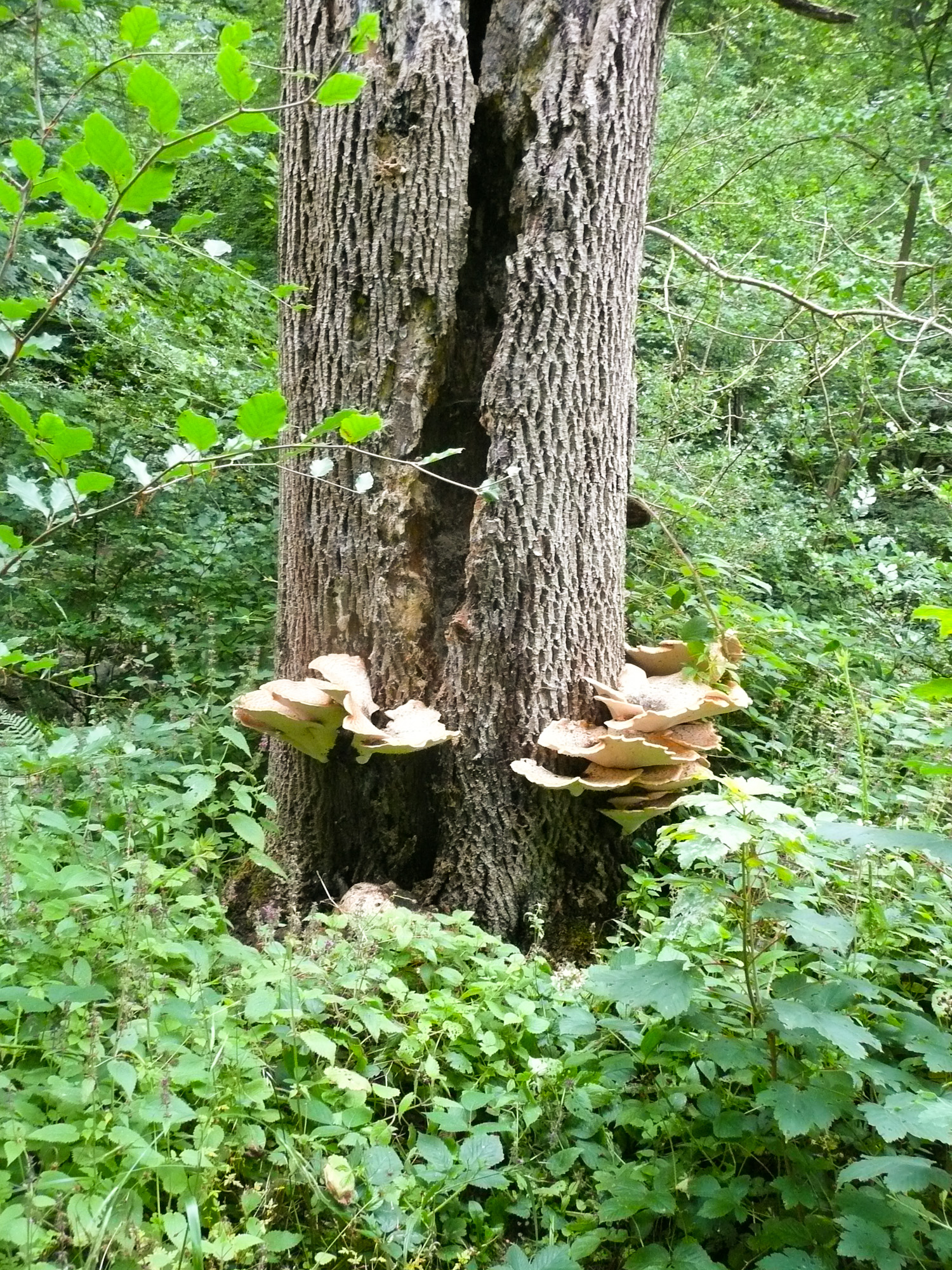
"Should it stay or should it go?" is the question clients actually hire you to answer, and it's the one most likely to come back on you. Recommend removal too freely and you're the arborist who cuts everything; recommend mitigation on a tree that then fails and you own the consequences. The way out isn't a gut call — it's a repeatable, risk-based framework you can write down and defend.
Frame it as risk, not condition
A tree being in poor condition is not, by itself, a reason to remove it. A hollow, half-dead oak in the back forty with nothing under it is low risk. A structurally "fine" tree with a heavy limb over a playground can be a serious one. Risk is the product of three things, and you have to weigh all three:
- Likelihood of failure — how probable is it that the part or whole tree fails, given its defects, load, and condition?
- Likelihood of impact — if it fails, how likely is it to hit something that matters? This is the target question.
- Consequences — how bad is the outcome if it does? A person, a house, an empty field.
A defect over a target with severe consequences is a different recommendation than the identical defect over nothing. Always assess the target, not just the tree.
The decision pathway
Once you've characterized the risk, walk the options in order — removal is the last resort, not the first:
1. Can the risk be mitigated and the tree retained?
Most defective trees can. Mitigation is the broad middle ground:
- Pruning — reduce end weight on an overextended limb, remove deadwood over the target, clear a hanger, reduce a codominant stem.
- Cabling and bracing — supplemental support for a weak union or codominant stems with included bark, where the rest of the tree is worth keeping.
- Crown reduction to lower the sail and the lever arms (done correctly — reduction cuts, not topping).
- Moving the target — sometimes the cheapest "tree work" is relocating the bench, the parking, or the play structure out from under the hazard.
- Reducing the inspection interval — for a tree with a watch-list defect, a documented re-inspection schedule is a legitimate mitigation.
- Addressing the cause — decompacting soil, fixing drainage, correcting the issue driving decline.
2. Is the residual risk acceptable after mitigation?
Mitigation lowers risk; it rarely zeroes it. The honest question is whether the remaining risk, after the work, sits within what the owner and the situation can accept. That threshold is partly the client's to set — your job is to characterize the risk clearly enough that they can make an informed call, and to document it.
3. When removal is the right call
Recommend removal when:
- The defect can't be adequately mitigated and the residual risk over a real target stays unacceptable.
- The tree is dead or irreversibly declining — no realistic recovery, and retaining it just defers the removal to a more dangerous, decayed state.
- Structural failure is likely and consequential — advanced root or butt decay (significant Ganoderma, for instance), a major crack through a loaded stem, severe lean with a lifting plate.
- The tree is the wrong tree in the wrong place and the conflict (infrastructure, foundation, sight lines, repeated failures) can't be resolved by pruning.
Even then, remember that a dead tree in a safe location can be a valuable wildlife snag — removal isn't automatic just because the tree is dead. The target drives it.
Protect the tree, protect yourself
- Write it down. Document the defects, the target, your reasoning, the options you presented, and the recommendation. A risk assessment you can produce later is what stands between a routine bad-luck failure and a liability problem.
- Give options, not ultimatums. Present mitigation and removal with honest trade-offs and let the informed owner choose, except where the risk is so imminent that the only responsible call is "now."
- Separate your incentive. You make money removing trees. Clients know it. The arborist who recommends keeping a tree they could have billed to remove is the one who earns the referral.
The framework, every time: characterize the risk over its actual target, exhaust mitigation, judge the residual, and recommend removal only when nothing else brings it into the acceptable range. Then document the whole chain.
Tools referenced in this article
FAQ
Does a tree in poor condition always need to be removed?
How do I protect myself when recommending mitigation over removal?
Video curriculum, flashcards, and exam-sim built by working arborists.