
How to Tell If Your Tree Is Dangerous
Most trees are far safer than nervous homeowners fear — but a few warning signs are worth taking seriously. Here's what to look for, from the ground.
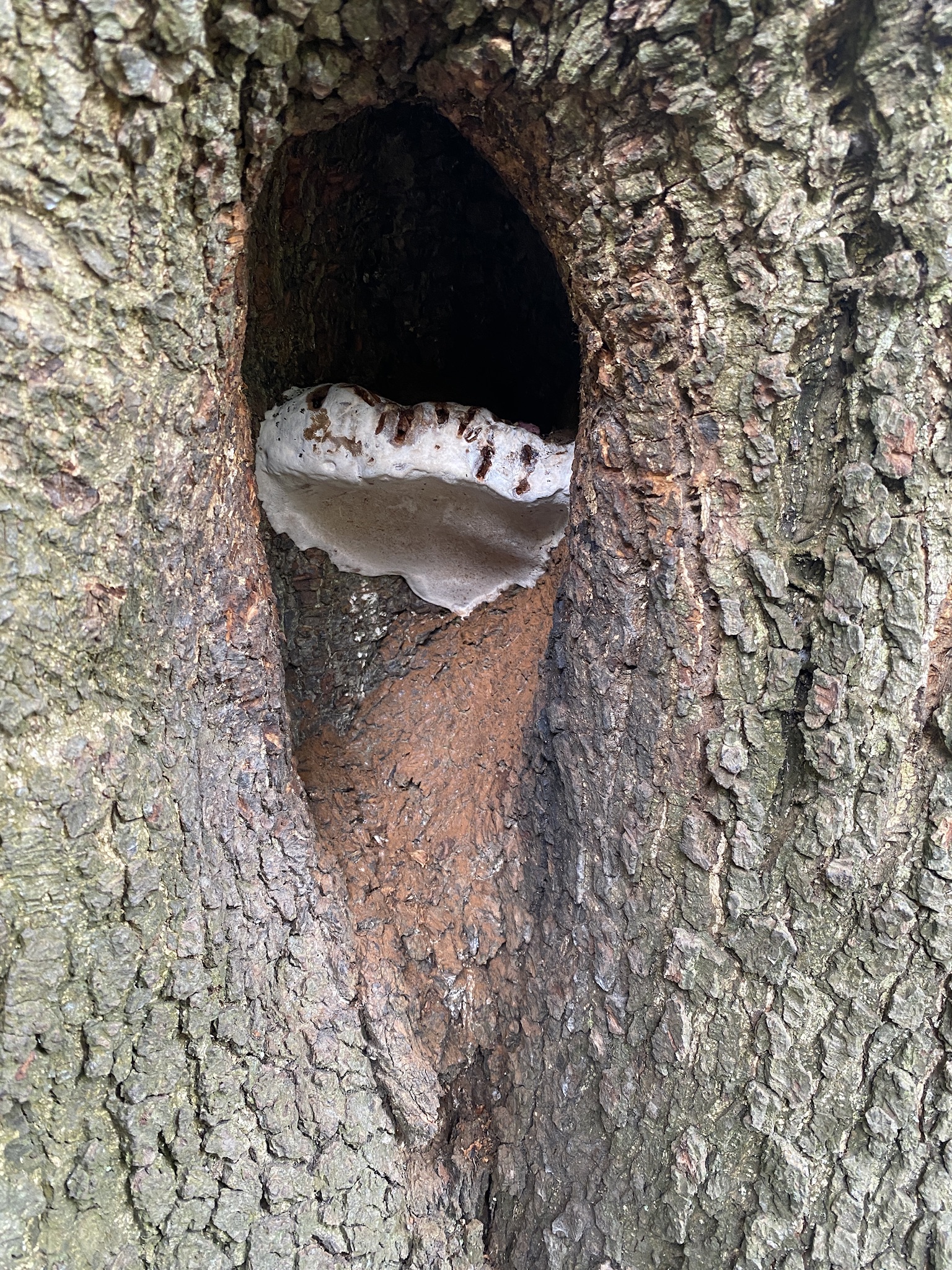
It's a common middle-of-the-night worry: that big tree near the house, creaking in a storm. The reassuring truth is that the overwhelming majority of trees are stable and pose no real danger. But a handful of warning signs genuinely matter, and you can spot most of them from your own backyard without any special equipment. Here's how to do a sensible walk-around — and when to stop guessing and call a professional.
First, think about what's underneath it
A tree's risk isn't just about the tree — it's about what would get hit if part of it failed. A leaning, hollow tree at the back of a vacant lot is a low concern. The same tree over your bedroom, the driveway, or where the kids play is worth a closer look. As you assess, keep asking: if a branch or this whole tree came down, what's in the way?
Warning signs you can see from the ground
Walk a slow lap around the tree and look for these:
At the base and roots
- Soil heaving or a gap opening up on one side of the trunk, or roots lifting out of the ground — this can mean the root system is starting to let go. Take it seriously.
- Mushrooms or shelf-like fungus growing on the trunk base or on the roots. Fungus growing on the tree often signals decay inside the wood you can't see.
- A sudden new lean, especially with disturbed soil at the base. A tree that's grown at an angle its whole life is usually fine; a tree that recently started leaning is not.
On the trunk
- Deep cracks, splits, or a seam running up the trunk.
- Large cavities or hollows — though a tree can live a long time with some hollowing, big openings on a tree over a target deserve a professional opinion.
- Bark falling off in large areas or a section of trunk with no live bark.
Up in the branches
- Dead branches, especially large ones — bare in summer, no leaves, brittle. Big deadwood over the house or driveway is a clear hazard.
- Hanging or broken branches caught up in the canopy ("widowmakers") after a storm.
- A whole section of the canopy that's bare when the rest leafs out, which can point to a problem on that side.
- Where two trunks meet in a tight V-shape with bark pinched in the crotch — these unions can split, particularly in storms.
The simple seasonal check
In late spring and summer, a healthy tree should be mostly full of leaves. If large parts stay bare, leaf out late, or the leaves are unusually small and sparse, the tree may be stressed or partly dead. Compare it to the same kind of tree nearby — that's your baseline for normal.
When it's worth calling someone
Do this assessment, but know its limits — you're looking from the ground, and a lot of decay hides inside. Call a qualified, certified arborist if you see:
- A new or worsening lean with soil lifting.
- Mushrooms or conks on the trunk or roots.
- Large dead branches or big cavities over your house, driveway, or play areas.
- A major crack in the trunk or a tight, splitting fork.
- Any tree that simply makes you uneasy near a target — peace of mind is a perfectly good reason to get an expert eye on it.
After a storm, give it a second look
Wind and ice can leave hanging branches or partial failures that aren't obvious. After a big storm, walk the yard and look up into the canopy for anything broken or lodged. Don't try to remove large hung-up branches yourself — that's exactly the kind of work that sends homeowners to the emergency room.
The goal here isn't to make you anxious about every tree — it's the opposite. Most of what you'll find is harmless. But the few signs above are the ones worth acting on, and when you're not sure, a certified arborist can tell you in one visit whether your tree is a genuine hazard or just a big, healthy tree doing what trees do. If anything on this list describes your tree, the safest next step is a professional assessment — you can find a certified arborist near you to take a look.
FAQ
Is a leaning tree always dangerous?
Do mushrooms on a tree mean it has to come down?
Video curriculum, flashcards, and exam-sim built by working arborists.